The problem
More than 500 parameters to assess, far beyond the time a consultation allows. Diagnosis stops at the reason for the visit: dentists treat instead of preventing. The bottleneck isn't expertise, it's time.
The solution · multimodal fusion
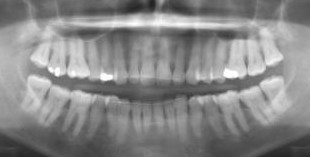
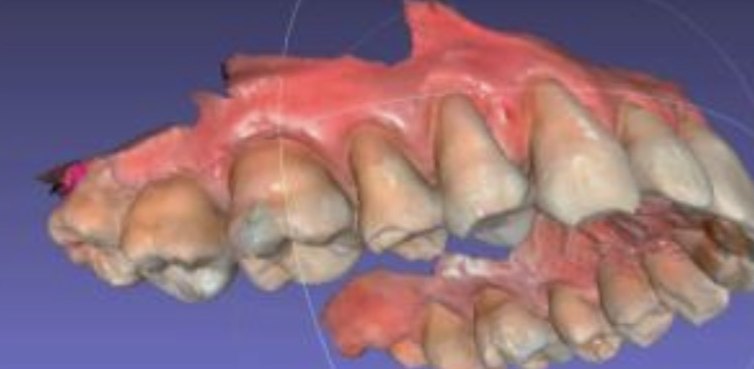
Bone structures, interproximal caries, endodontic status, periapical lesions.
Detection and staging of anomalies, then a complete, structured report for dentists and patients.
Crown surfaces, tooth wear, quality of restorations, occlusal morphology.
Existing solutions use a single imaging method and target one condition at a time. None delivers a full check-up.
What changes, and for whom
Dentists
- Initial check-up in under 20 min
- Decision support
- Clearer patient communication
Patients
- Whole-mouth diagnosis
- Stronger prevention
- Long-term follow-up
Public health
- Epidemiological data
- Lower treatment costs
- Better-targeted prevention
Manufacturers & insurers
- More value from equipment
- Aggregated data for R&D
- Risk management
Our edge
A 2D/3D image base annotated with ICDAS, BEWE and DMFT, quality-checked and ready for training.
Annotated by university hospital dentists: the quality of the labels drives the model's performance.
More than 800 dentists in private practice for validation and deployment.
No new hardware: ORALYA runs on the equipment practices already own.
Where we are
Roadmap
Algorithm R&D
Data preparation, supervised training, software specifications, patent filing.
Expected results: Caries sensitivity ≥ 85%, AUC ≥ 0.90, patent filed.
Clinical pilot & software
Testing with 50+ ReCoL investigators, user interface and links to practice software, class IIa medical device file.
Expected results: Check-up time cut by 30%, CE marking under way.
Commercial launch
SaaS subscription launch, manufacturer partnerships, expansion across Europe.
Expected results: First subscribing practices and signed OEM agreements.
Contact
Partners and investors, contact us to receive our detailed presentation.